
Signs Your Basement or Foundation Needs Waterproofing
Noticing signs your basement or foundation needs waterproofing can help you prevent water damage, and local service providers can assess and fix these issues effectively.
If you’ve been noticing certain issues in your basement or around your foundation, it’s natural to wonder whether waterproofing might be needed. Recognizing the signs early can help prevent more serious problems down the line, such as structural damage or mold growth. Property owners in the area often explore this topic because water intrusion can be a common concern, especially after heavy rains or seasonal changes. Staying informed about what to look for ensures that homeowners can take timely steps, and local contractors who specialize in basement and foundation waterproofing are equipped to address these issues effectively.
Keeping an eye out for specific warning signs can make a significant difference in maintaining the integrity of a property. Common indicators include persistent dampness, water stains on walls, or a musty smell in the basement. Cracks in the foundation or uneven flooring might also signal underlying water issues that require professional attention. When these signs appear, experienced service providers in the area can assess the situation and recommend appropriate waterproofing solutions. Learning about these indicators helps homeowners stay proactive, ensuring that any necessary waterproofing work is handled by trusted local contractors who understand the unique needs of properties in the community.
- Basement waterproofing - is often needed when signs of moisture or water intrusion appear on basement walls or floors, and local contractors typically assess drainage and seal cracks to prevent further issues.
- Foundation waterproofing - may be required if cracks or water stains are visible on foundation walls, with service providers using waterproof coatings or membrane systems to protect the structure.
- Basement waterproofing - is necessary when persistent dampness or mold growth is detected, and local pros usually evaluate drainage systems and apply waterproofing treatments to keep basements dry.
- Foundation waterproofing - becomes essential if there are signs of efflorescence or water seepage, with contractors often performing excavation and installing barriers to stop water movement.
- Basement waterproofing - might be needed if water pooling or musty odors are present, with service providers focusing on improving drainage and sealing potential entry points to mitigate water damage.
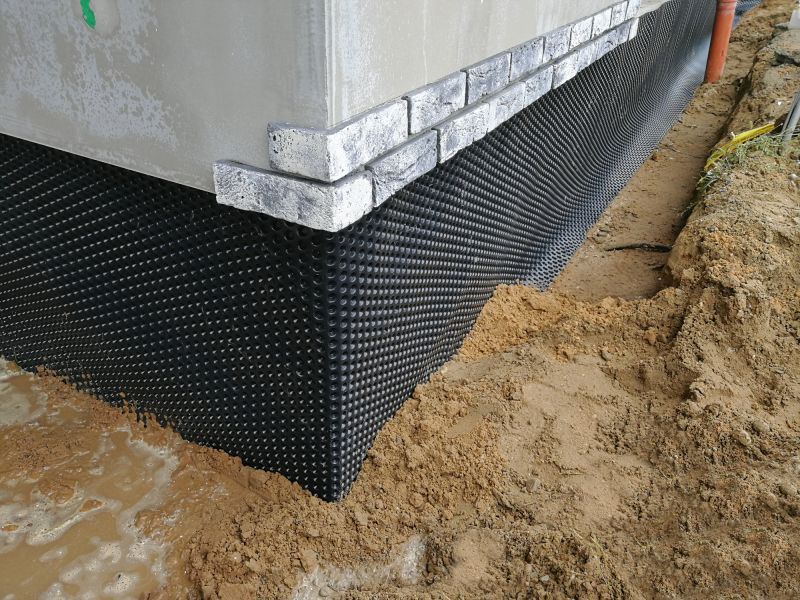
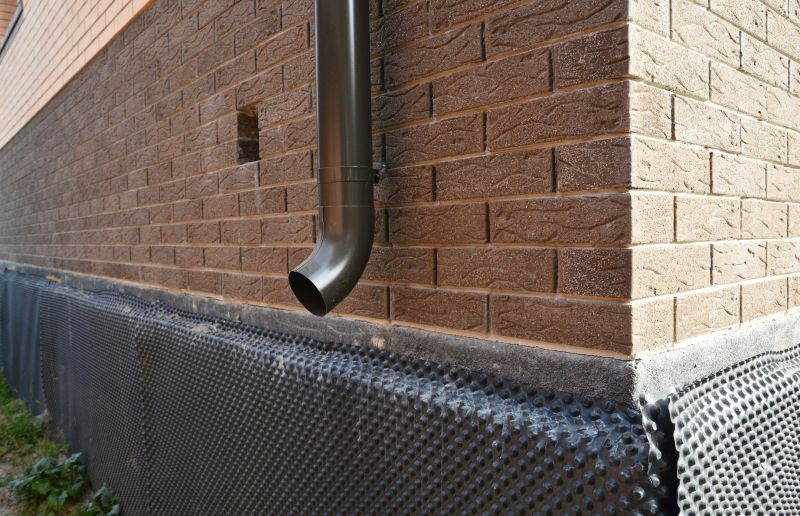
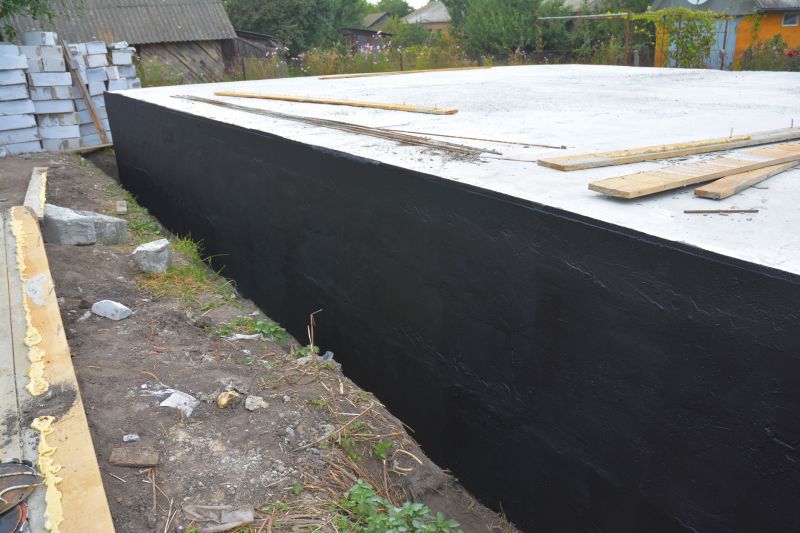
When homeowners search for signs their basement or foundation needs waterproofing, they are typically looking for indicators of water intrusion or structural issues that could lead to costly damage if not addressed. This concern often arises when there are visible signs of moisture, such as dampness on walls or floors, or when there’s a persistent musty smell indicating mold growth. Many individuals are also worried about water stains, efflorescence (white mineral deposits), or peeling paint, which can signal ongoing moisture problems. Recognizing these signs early can help property owners determine whether waterproofing measures are necessary to protect their investment and maintain a healthy living environment.
These signs are closely related to common problems that arise in basements and foundations, especially in areas prone to heavy rainfall or fluctuating groundwater levels. Water infiltration can cause structural weakening over time, leading to cracks or shifting in the foundation. Homeowners may notice water pooling during storms or seepage through basement walls, which can compromise the integrity of the entire property. Waterproofing is often part of a proactive plan to prevent further damage, improve indoor air quality, and preserve the value of the home. Local service providers who specialize in waterproofing can assess these issues and recommend appropriate solutions to address specific problems.
Property types that frequently encounter signs requiring waterproofing include older homes with aging foundations, newly built houses with construction flaws, and properties situated on slopes or in flood-prone zones. Basement apartments, garages, and crawl spaces are often vulnerable to moisture intrusion, making waterproofing essential for maintaining dry, usable spaces. Commercial properties with underground levels or storage areas also face similar challenges. Whether the property is a single-family house, multi-unit building, or a commercial structure, the presence of water-related signs indicates the need for a professional evaluation. Local contractors experienced in waterproofing can tailor solutions to the specific property type and its unique conditions.
Understanding how signs of moisture or structural issues relate to waterproofing needs helps homeowners connect these problems to potential projects. Detecting early warning signs allows property owners to seek the expertise of local contractors who can perform thorough inspections and recommend effective waterproofing strategies. These professionals can handle a range of services, from installing exterior barriers to interior drainage systems, ensuring that the foundation remains dry and stable. By addressing these signs promptly, homeowners can prevent extensive damage, reduce future repair costs, and maintain the safety and longevity of their property.
Drainage System Installation - Installing proper drainage systems around foundations requires similar planning, tools, and expertise as waterproofing a basement to prevent water intrusion.
Foundation Crack Repair - Repairing cracks in foundations involves assessing structural issues and applying sealing techniques similar to waterproofing procedures.
Sump Pump Installation - Setting up sump pumps to manage water buildup shares skills with waterproofing projects focused on controlling basement moisture.
Basement Wall Sealing - Applying sealants or coatings to basement walls to prevent moisture penetration aligns with waterproofing methods used for foundation protection.
Egress Window Replacement - Installing or upgrading egress windows involves planning and tools comparable to those used in waterproofing and foundation maintenance.
Soil and Landscape Grading - Adjusting soil levels and grading around a property to improve drainage connects to waterproofing efforts to keep water away from foundations.
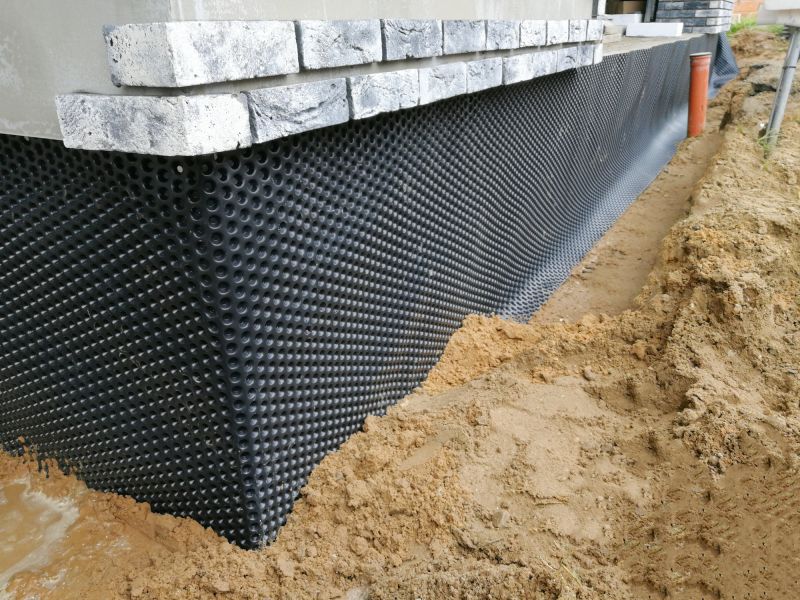
When evaluating local contractors for basement or foundation waterproofing, it is important to consider their experience with similar projects. Homeowners should inquire about the types of waterproofing issues the service providers have handled in the past, such as basement flooding, persistent dampness, or foundation cracks. A contractor with a history of successfully addressing these specific signs can be more confident in their ability to diagnose and resolve the underlying problems effectively. Gathering information about their previous work helps ensure that the contractor has the appropriate background to manage the unique conditions of a particular property.
Clear written expectations are essential when comparing service providers for waterproofing work. Homeowners should seek detailed proposals that outline the scope of work, materials to be used, and the steps involved in the project. Having a comprehensive plan in writing helps prevent misunderstandings and ensures that both parties are aligned on what will be accomplished. Additionally, understanding the projected process and what to expect at each stage can make the project more transparent and manageable, providing peace of mind that the waterproofing measures will address the signs your basement or foundation needs attention.
Reputable references and effective communication are key factors in selecting the right local contractor. Homeowners are encouraged to ask for references from previous clients who had similar waterproofing issues addressed. Feedback from past customers can offer insight into the contractor’s reliability, professionalism, and quality of work. Good communication throughout the process-such as timely responses to questions and clear explanations of options-helps ensure that homeowners feel informed and involved. Choosing a service provider known for transparency and responsiveness can lead to a smoother experience and more successful resolution of signs indicating waterproofing needs.
Property owners often search for signs your basement or foundation needs waterproofing when they are planning practical projects around their homes and businesses. Local pros provide Basement or Foundation Waterproofing services for everyday jobs and straightforward project options.
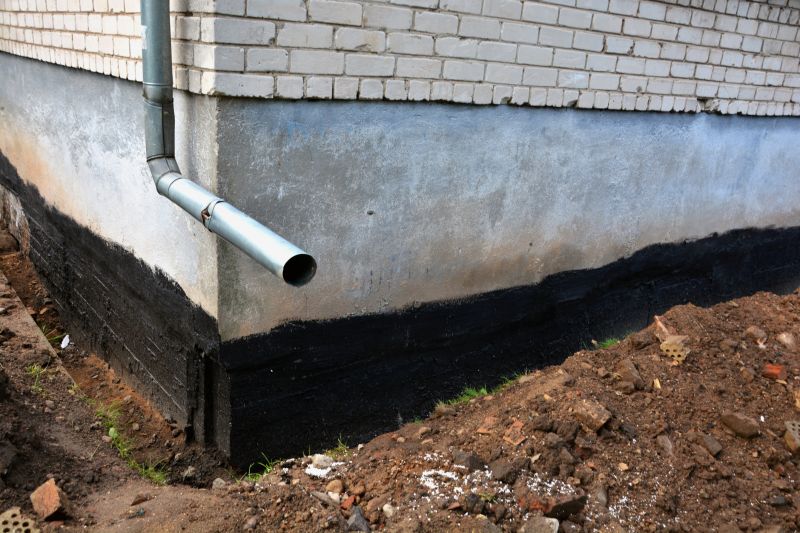
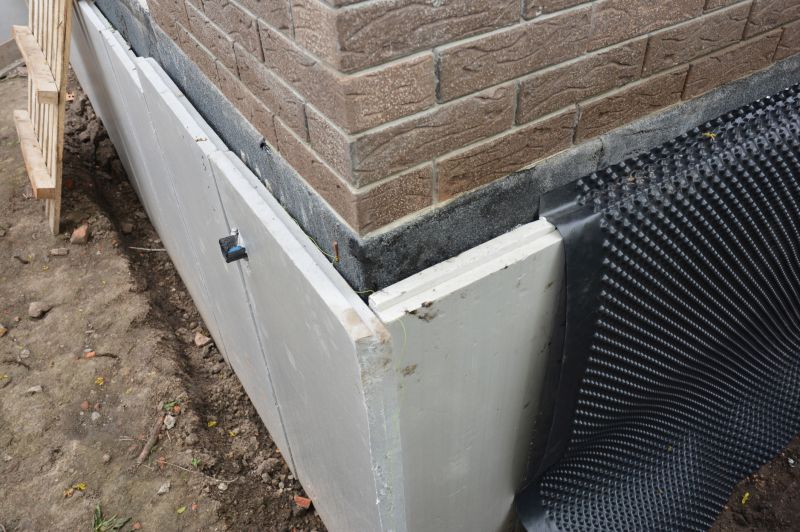
Property owners in the area often notice signs that their basement or foundation may need waterproofing when they see water stains or damp patches on basement walls or floors, especially after heavy rain or snowmelt. Cracks in foundation walls or uneven flooring can also indicate potential issues with moisture intrusion or shifting foundations. These visible signs can lead homeowners to seek the expertise of local contractors who specialize in waterproofing services, helping to prevent further damage and maintain the stability of their property.
Other common indicators include a musty odor lingering in the basement, which suggests mold or mildew growth caused by excess moisture. In some cases, homeowners might observe peeling paint or wallpaper, or even discover standing water or puddles inside the basement. When such problems arise, connecting with experienced service providers can ensure that the necessary waterproofing measures are properly addressed, safeguarding the home against ongoing moisture-related concerns.
What are common signs that a basement or foundation needs waterproofing? Indicators include persistent dampness, water stains on walls or floors, mold growth, or a musty odor, which suggest moisture issues that local contractors can address.
How can I tell if water is seeping through my basement walls? Visible signs such as wet spots, efflorescence (white mineral deposits), or pooling water after rain are signs that waterproofing may be needed, and experienced service providers can evaluate the source.
What does it mean if I notice cracks in my basement walls or floor? Cracks can indicate shifting or settling that allows water intrusion, and local waterproofing specialists can assess whether repairs and sealing are necessary.
Are musty odors and mold common signs of foundation issues? Yes, these can be signs of excess moisture or leaks, and professional waterproofing services can help mitigate the underlying problems.
When should I consider waterproofing services for my basement or foundation? If you observe signs like water stains, dampness, cracks, or mold, contacting local service providers for an inspection can help prevent further damage.
Cracks in basement walls - Noticing visible cracks can indicate water pressure issues that require waterproofing solutions by local contractors.
Water stains or dampness - Persistent damp spots or water marks on walls suggest the need for moisture barriers and waterproofing services.
Musty odors or mold growth - Unpleasant smells or mold can be signs of ongoing moisture problems that local pros can address with sealing and drainage work.
Uneven or bulging foundation - Structural shifts or bulges may point to water-related damage that requires professional waterproofing and foundation stabilization.
If you are thinking about signs your basement or foundation needs waterproofing for a property, this guide is meant to help you understand this topic, the typical project types, and how different options might fit your plans.
When you are ready, you can use the quote form on this page to share a few details about your project. From there, local pros can review the basics and follow up with options that match what you have in mind.